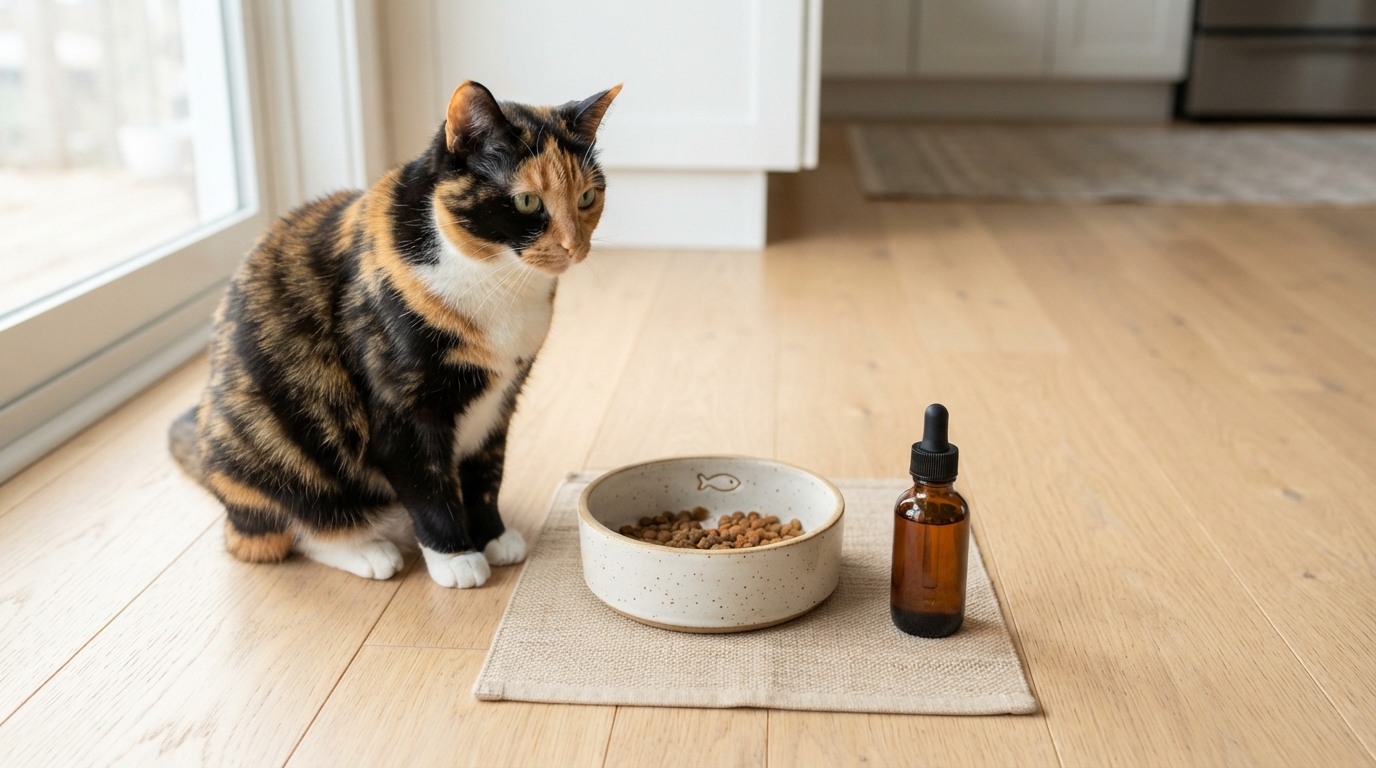
A cat’s daily routine can reveal a great deal about its health. Changes in appetite, movement, grooming, sleep, or social behavior may appear gradually, especially in older animals. As pet owners research supplements for these concerns, Holistapet CBD Oil for Cats often appears among the options discussed online. The subject deserves a careful look because scientific evidence, product quality, and feline safety do not always receive equal attention in consumer information.
Understanding What CBD Means
CBD stands for cannabidiol, a naturally occurring cannabinoid found in cannabis and hemp plants. It is chemically different from THC, another cannabinoid associated with marijuana’s intoxicating effects. The distinction matters when evaluating products intended for animals.
CBD does not have an established universal role in feline medicine. Researchers have investigated its effects in animals, but the available evidence differs according to the condition being studied, the formulation used, and the species involved.
A product’s popularity also does not determine whether it is appropriate for a particular cat. A supplement should be considered within the context of the animal’s age, health status, medication schedule, and reason for use.
Why species differences matter
Cats have distinctive metabolic pathways. Their bodies can process certain substances differently from humans and dogs, which makes direct comparisons unreliable.
For example, a CBD study involving dogs may provide information about pharmacology or possible effects, but it does not establish a standard dose for cats. Feline research is needed to answer feline-specific questions.
This is one reason broad internet dosing recommendations can be misleading. The number on a chart may appear exact while leaving out several factors that affect safety.
Common Reasons Behind Feline CBD Searches
Owners may research CBD after noticing reduced mobility, increased hiding, stress during travel, changes associated with aging, or other behavioral differences. Each situation deserves its own assessment.
A cat that suddenly avoids jumping may have pain or weakness. A cat that hides after moving to a new home may be reacting to environmental stress. A cat that refuses food may have dental, digestive, metabolic, or systemic disease.
Symptoms should be documented first
Before adding a supplement, keep track of:
- Appetite and drinking habits
- Activity level
- Jumping and climbing ability
- Grooming behavior
- Sleep patterns
- Litter-box use
- Vomiting or diarrhea
- Changes in vocalization
- Social interaction
- Weight changes
This information can help distinguish a temporary behavior change from a persistent health problem.
Cats can conceal illness effectively, so a gradual change should not automatically be dismissed as normal aging.
Mobility changes in older cats
Reduced movement is common in senior cats, but age alone does not explain every change. Osteoarthritis and other painful conditions can affect how a cat walks, jumps, rests, and grooms.
Environmental adjustments can sometimes make daily life easier. Low-sided litter boxes, ramps, steps, warm resting areas, and food or water placed at convenient locations can reduce unnecessary strain.
CBD research involving pain and mobility continues, but evidence remains insufficient to establish a universal feline treatment protocol.
Reading a CBD Product Label
The front of a bottle usually provides only part of the information needed for evaluation. The ingredient panel, cannabinoid concentration, product volume, and testing information can be more useful.
Total CBD content and CBD concentration are separate measurements. A bottle containing 500 milligrams of CBD may contain 25, 50, or 100 milliliters of liquid, producing very different concentrations.
Ingredients deserve equal attention
CBD should not be the only ingredient under review. Some products include flavorings, botanical extracts, essential oils, or other compounds.
Cats can be sensitive to certain essential oils, and concentrated plant extracts may create additional safety concerns. A simple ingredient list is easier to evaluate than a proprietary blend that does not disclose individual amounts.
THC and Accidental Exposure
THC presents a separate concern. Cats exposed to marijuana or THC-containing products may develop neurological and gastrointestinal signs.
Possible signs include:
- Drowsiness
- Poor coordination
- Drooling
- Vomiting
- Dilated pupils
- Urinary leakage
- Tremors
- Changes in body temperature
- Abnormal behavior
More serious cases can involve seizures or severe depression.
Accidental ingestion can occur when products are stored on countertops, inside bags, or in areas that cats can access. Human cannabis edibles are particularly concerning because they may contain other ingredients in addition to THC.
Safer storage habits
Keep cannabinoid products in closed containers and place them somewhere a cat cannot reach. Droppers should not be left beside food bowls, and used packaging should be discarded securely.
If accidental ingestion is suspected, the product container can provide useful information to veterinary professionals. The exact ingredients and concentration may affect the response required.
Why Dosage Charts Can Be Misleading
CBD dosing is sometimes presented as a simple calculation based on body weight. Feline care is more complicated.
There is no single established dose that applies to every cat, and individual factors can affect how a cannabinoid is absorbed and processed.
A cat’s health history matters. So does the reason for using the product. A healthy adult cat and a cat taking several medications cannot be evaluated in exactly the same way.
Concentration changes the actual amount
Imagine a product containing 10 milligrams of CBD per milliliter. A second product contains 2 milligrams per milliliter. One milliliter from the first product provides five times the CBD found in one milliliter from the second.
Counting drops does not always solve the problem because dropper volume can vary.
A veterinarian can help determine whether a product should be considered and how the exact formulation should be approached.
CBD and Existing Medications
Some medications are processed through enzyme systems that can also be affected by CBD. The potential significance depends on the drug, amount, timing, and health of the animal.
A complete medication list should be available before introducing a cannabinoid product. This includes supplements and treatments that may not seem related to the cat’s primary condition.
Extra caution for medically complex cats
Veterinary guidance is particularly useful for cats that:
- Receive several medications
- Have liver or kidney problems
- Have a seizure history
- Are recovering from surgery
- Are pregnant or nursing
- Are very young or elderly
- Have unexplained weight loss
- Have persistent appetite changes
These factors can alter the risk assessment.
Monitoring Is Part of Responsible Use
If a veterinarian approves a specific product, observation can help determine how the cat responds. A simple record can include the product name, concentration, amount, date, time, appetite, activity, and unusual behavior.
Avoid introducing several new supplements at the same time. If multiple products are added together, identifying the cause of an adverse reaction becomes difficult.
Any significant change after administration should be discussed with a veterinarian. Unusual sedation, loss of coordination, vomiting, tremors, severe weakness, or suspected THC exposure should receive prompt attention.
Evidence Versus Product Claims
CBD products are often promoted using terms such as calming, soothing, natural, or supportive. These descriptions do not establish that a product treats a medical condition.
The FDA has not approved cannabis products for use in animals, and feline CBD research remains limited. That regulatory and scientific context should be considered whenever a product is presented as a substitute for veterinary treatment.
A sensible approach is to ask three questions: What condition is being addressed? What evidence supports the proposed use in cats? What is known about the exact product being considered?
Those questions can reduce confusion and help keep supplement decisions connected to the cat’s actual needs.
Final Thoughts
CBD remains an area of interest in feline health research, but responsible use requires attention to evidence, product concentration, ingredients, THC exposure, and possible medication interactions. A veterinarian can help determine whether a cannabinoid product is appropriate for a specific cat rather than relying on generalized dosing charts or marketing claims.
